

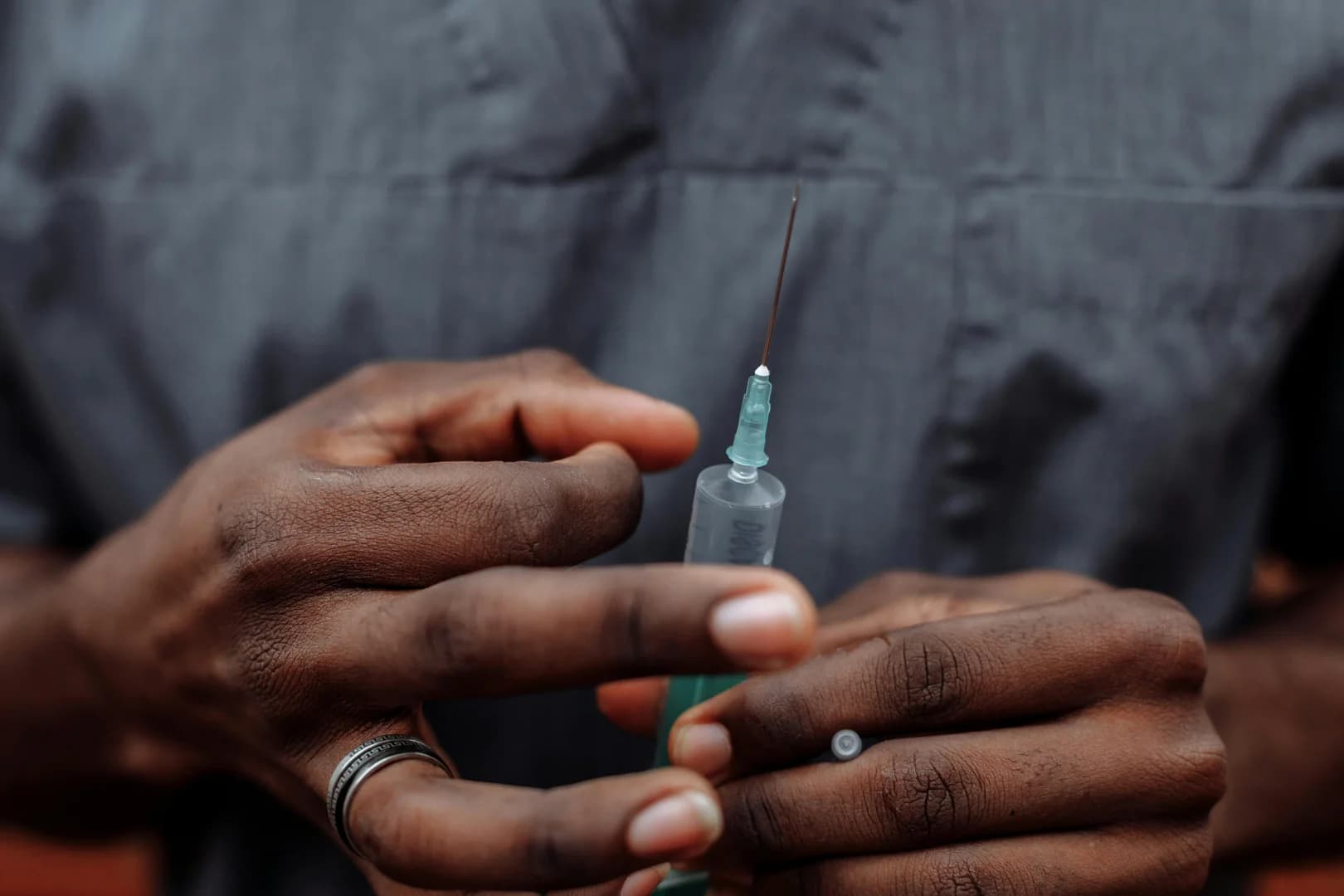
Which Vaccinations Should I Get Before Traveling Abroad?
Discover essential vaccinations needed before traveling abroad. Stay safe and informed—check with your doctor before your trip!
For some of you, it may seem strange that you need to get vaccinated when traveling abroad; however, the geography we live in, the climate, the water we drink, the food we eat, and the microbes we have encountered since childhood that our bodies are accustomed to and have developed defenses against are all factors to consider.
When you travel to a different geography, all of these factors change. We come face to face with unfamiliar microbes. Our digestive system encounters the foods we eat for the first time. This situation is generally referred to as traveler's disease. If our body pays attention to this situation, it adapts after a while, but there are various points we need to be cautious about.
The information provided in this article is solely to emphasize the importance of vaccination procedures before your trip. We are not experts in this field. We prepared this article to alert you.
You may have previously received a vaccine such as tetanus, but some vaccines need to be renewed. You should definitely consult your doctor.
In your travels to Africa, you will see in all your research that you must definitely get the yellow fever vaccine at least 10 days before your trip. If you are 60 years old or older, this vaccine has some significant side effects, and you should definitely consult your doctor.
You can find other vaccines that we need to pay attention to in our travel planning below.
- Meningococcal: This is a mandatory vaccine for those visiting Mecca and Medina during the pilgrimage season. Its protective effect begins about 10 days later and lasts for 2-3 years. Some countries require it.
- Typhoid: It starts providing protection 7-14 days later. It is common in areas with low hygiene.
- Cholera: It is common in countries where clean drinking water is hard to find. The required dosage varies by age. After the second dose, it provides high protection for 6 months.
- Hepatitis A: It should be administered 4 weeks before your trip. The second dose of the vaccine, given between 6-24 months, is expected to provide protection for about 10 years.
- Rabies: This is a serious disease that can be transmitted through the saliva of infected animals. Depending on the situation before and after exposure, either 4 or 5 doses of different treatments are applied.
- Japanese Encephalitis
- Tick-borne Encephalitis
*Encephalitis means inflammation of the brain.
You Might Also Be Interested In

İngiltere e-Visa UKVI Hesabı Tanımlama 2026
İngiltere e-Visa UKVI Hesabı Tanımlama 2026 prosedürüne yazımızdan erişebilir daha fazlası ve destek için uzmanlarımıza ulaşabilirsiniz.

Kolombiya Gezi Rehberi: Gezginler için Öneriler
Kolombiya'da görülmesi gereken en iyi turistik yerlerin listesi ve önemli öneriler

Yeni Zelanda Seyahati İçin En İyi Zaman: Mevsimlik Rehber
Yeni Zelanda'nın farklı mevsimleri ve her mevsimde neler yapılabilir? Türk gezginler için seyahat planlama ipuçları.