

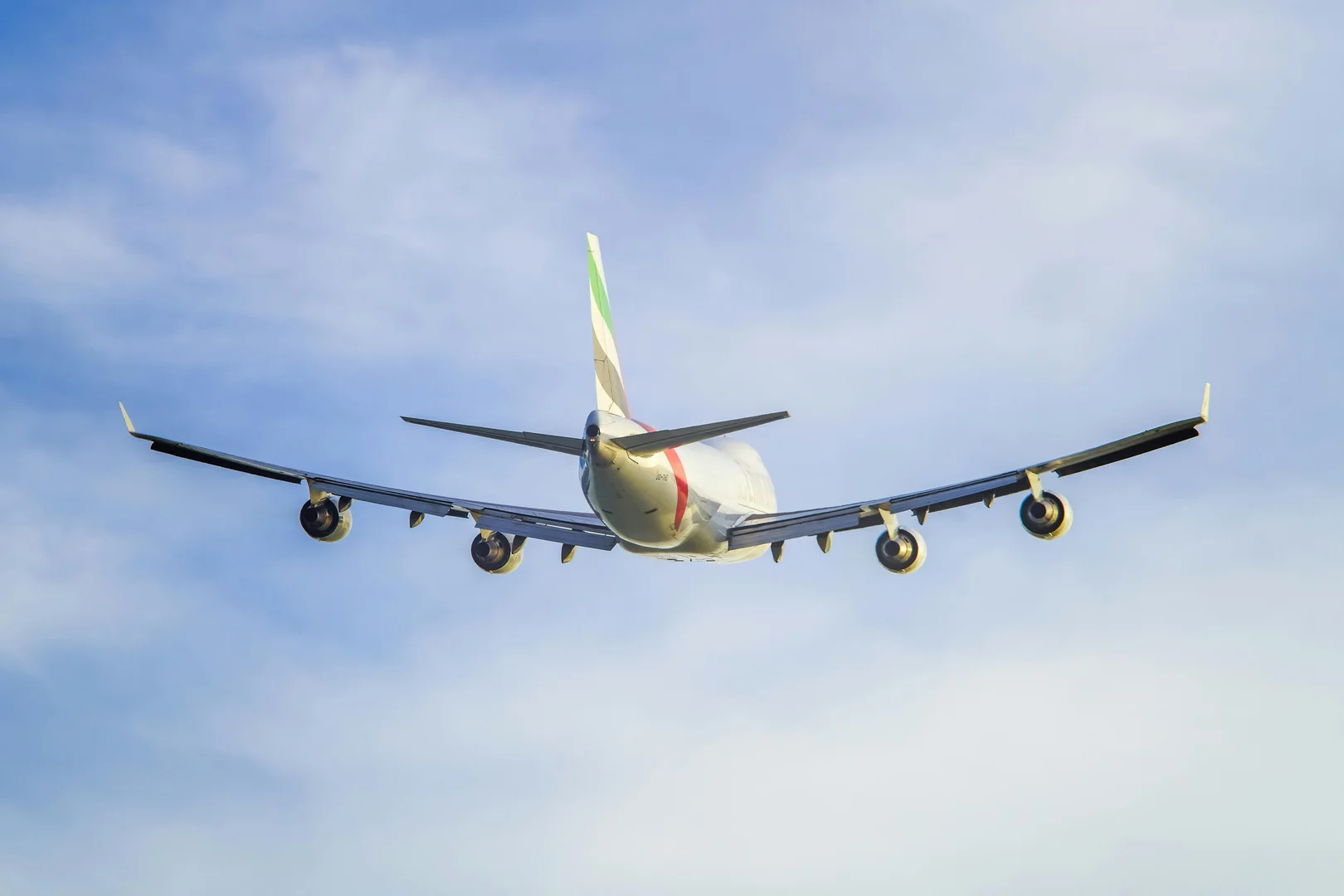
What is the Safest Seat on a Plane?
Traveling to different countries above the clouds is wonderful, but if you want to feel more secure on the plane, this article is just for you.
The aviation industry continually strives to enhance safety standards and ensure the security of travelers; however, the question of "which seat is the safest on a plane" remains a topic of curiosity for many.
Firstly, the answer to this question is akin to the direction indicated by a complex compass; as safety can vary depending on numerous factors. For instance, in the event of a fire on board, one seat may be marked as safer, while in the case of a malfunction, a completely different seat may be indicated.
Nevertheless, based on some fundamental lines, we can say that certain seating areas are safer compared to others. How so? In this article, you will learn in detail about the factors affecting in-flight safety and the potential impacts of different seat positions on safety.
Are you ready? Then let's begin!
Table of Contents
- Which Seat is the Safest on a Plane?
- 1.1. In-Flight Safety Factors
- 1.2. Recommendations for Safe Travel
In-Flight Safety Factors
There are several factors within the aircraft that can positively or negatively affect the safety of passengers. Among these, we can list the three most important items as follows:
- Proximity to emergency exits: Passengers seated close to emergency exits are thought to be able to move more quickly during the evacuation process, thus being at less risk. However, these seats may also have their own specific disadvantages; for example, the mobility of these seats may be limited.
- Access to cabin crew: Seats located near the wing areas are believed to increase the chances of survival in the event of an accident, but these seats also carry certain risks similar to those near emergency exits. Additionally, passengers seated close to cabin crew members may have an advantage in receiving assistance and intervention during an emergency.
- Aircraft structure: Every accident scenario is different, and various factors such as how the aircraft breaks apart or the area of the cabin affected mean that not every seat will be impacted in the same way. Therefore, determining the safest seat in accident situations can vary depending on the specific circumstances of the aircraft and the accident.
Recommendations for Safe Travel
Determining the safest seat on a plane cannot be entirely objective, given the variables mentioned above. Instead, it is recommended that passengers choose the most suitable seat according to their own needs and preferences. On the other hand, adhering to certain rules will be more advantageous than simply selecting the safest seat. These can be listed as follows:
- Carefully listening to the cabin crew's instructions and fastening the seatbelt correctly enhances safety in any potential emergency.
- Reviewing the locations of emergency exits, emergency procedures, and safety equipment in advance allows for better preparedness in a possible situation. Reading the in-flight safety card and understanding emergency instructions will make you more aware in unexpected situations.
- It is important to choose the most suitable seat considering your personal preferences, type of travel, and physical needs.
- Regularly washing your hands, avoiding unsanitary conditions, and undergoing a health check before travel are essential for safe travel.
- Wearing comfortable clothing on long flights and moving regularly to relax the body helps regulate blood circulation and prevent discomfort that may arise during travel. This not only increases overall travel comfort but can also enhance your mobility in potential emergencies.
In conclusion, these recommendations will help passengers have a safe experience on board. Because when safety combines with personal awareness and preparation, it is likely that your travel experience will be both safer and more enjoyable. On the other hand, while there may not be a single answer to the question of "which seat is the safest on a plane," considering the above factors (access to cabin crew, aircraft structure, and proximity to emergency exits) is sufficient.
You Might Also Be Interested In

Kolombiya Gezi Rehberi: Gezginler için Öneriler
Kolombiya'da görülmesi gereken en iyi turistik yerlerin listesi ve önemli öneriler

Yeni Zelanda Seyahati İçin En İyi Zaman: Mevsimlik Rehber
Yeni Zelanda'nın farklı mevsimleri ve her mevsimde neler yapılabilir? Türk gezginler için seyahat planlama ipuçları.
Amerika Seyahatinde ESTA ve Vize Farkı: Hangi Ülkeler ESTA Kullanabilir, Türkler Ne Yapmalı?
ESTA nedir, kimler başvurabilir? Türk vatandaşları ESTA ile Amerika'ya gidebilir mi? Vize muafiyeti programı ile standart B1/B2 vizesi arasındaki farklar ve Türk gezginler için doğru yol haritası.